Sparky Rush: Purrils in Pawsville Launches on Steam! (Go Check It Out!)
Sparky Rush: Purrils in Pawsville commercial launch on Steam by Converting Minds! QA breakdown: hunting 100+ collider flaws, fixing ultrawide UI issues, solving 20+ softlocks, and 60 FPS profiling on a GT 710.
Commercial Launch Announcement & Direct Invitation:
The day has officially arrived: Sparky Rush: Purrils in Pawsville is officially launching on Steam on October 16, 2026!
If you follow my technical journal, enjoy game development, or simply love vibrant, fun 3D platformers with tight controls and heartwarming character design, I warmly invite you to go check out the game on Steam, add it to your library, and drop a review!👉 Check out Sparky Rush: Purrils in Pawsville on the Steam Store
🐾 The Journey to Steam: October 16, 2026 🐾
After months of intensive game development, rigorous quality assurance, stress testing, and code-level debugging in Unity/C#, Sparky Rush is live for the world to play!
Play Sparky Rush on Steam!What is Sparky Rush: Purrils in Pawsville?
Sparky Rush: Purrils in Pawsville is a commercial 3D platformer developed in Unity that combines classic platforming charm with modern physics and fluid movement mechanics. In Pawsville, players must rescue Sparky's friends from Sweetie!
And don't let the colorful art style fool you: behind that "joyful art direction" actually lurks a stealthy psychological horror atmosphere (yes, really! haha). Under the hood, making that experience feel responsive and tight required a massive web of gameplay systems, character locomotion physics, state machines, and fine-tuned mechanics.
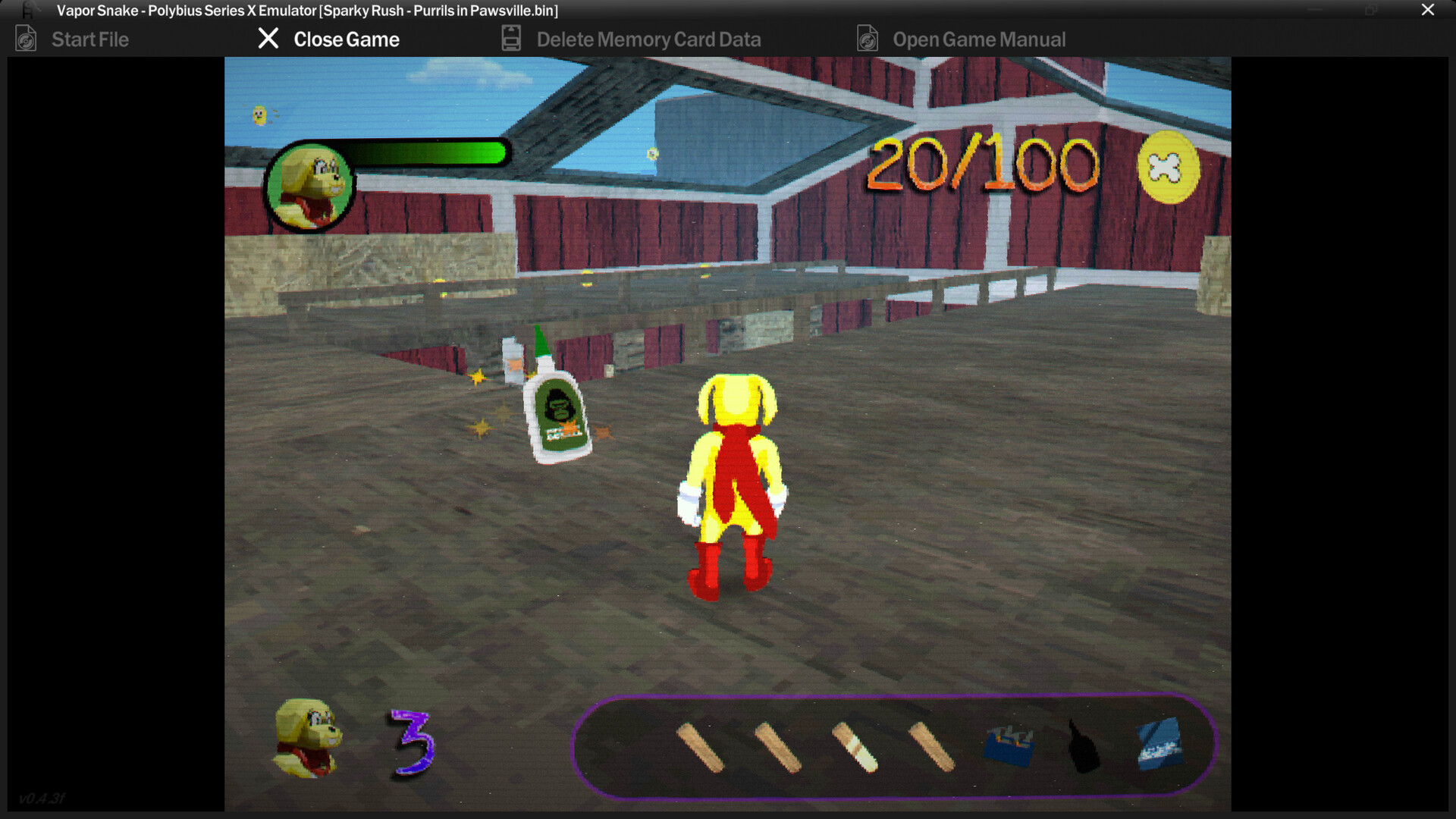
Behind the Scenes: The Quality Assurance & Deductive Code Analysis Journey
As the Quality Assurance Analyst on Sparky Rush, my role was not simply "playing the game and clicking buttons." In modern game production, top-tier QA requires deep technical comprehension of engine architecture, physics pipelines, and code logic.
Throughout the development cycle, I discovered, documented, reproduced, and helped resolve over 50+ critical bugs across graphics, physics, and gameplay logic. Here are some of the fascinating engineering hurdles we tackled:
1. Hunting 100+ Collider Glitches & Bizarre Input Edge-Cases
In a 3D platformer with agile movement, players will always test boundaries in ways developers never anticipated:
- The Reality: I hunted down and documented over 100+ collider flaws, mesh seam gaps, and broken physics behaviors triggered when players performed highly specific action sequences — things a player might easily do accidentally during tense platforming (like dashing into odd corner seams, jumping while interacting with objects, or hitting terrain transitions at odd angles).
- The Impact: By methodically catching these collision holes and awkward interaction bugs before launch, we ensured players stay immersed in the world without falling out of bounds or clipping into geometry.
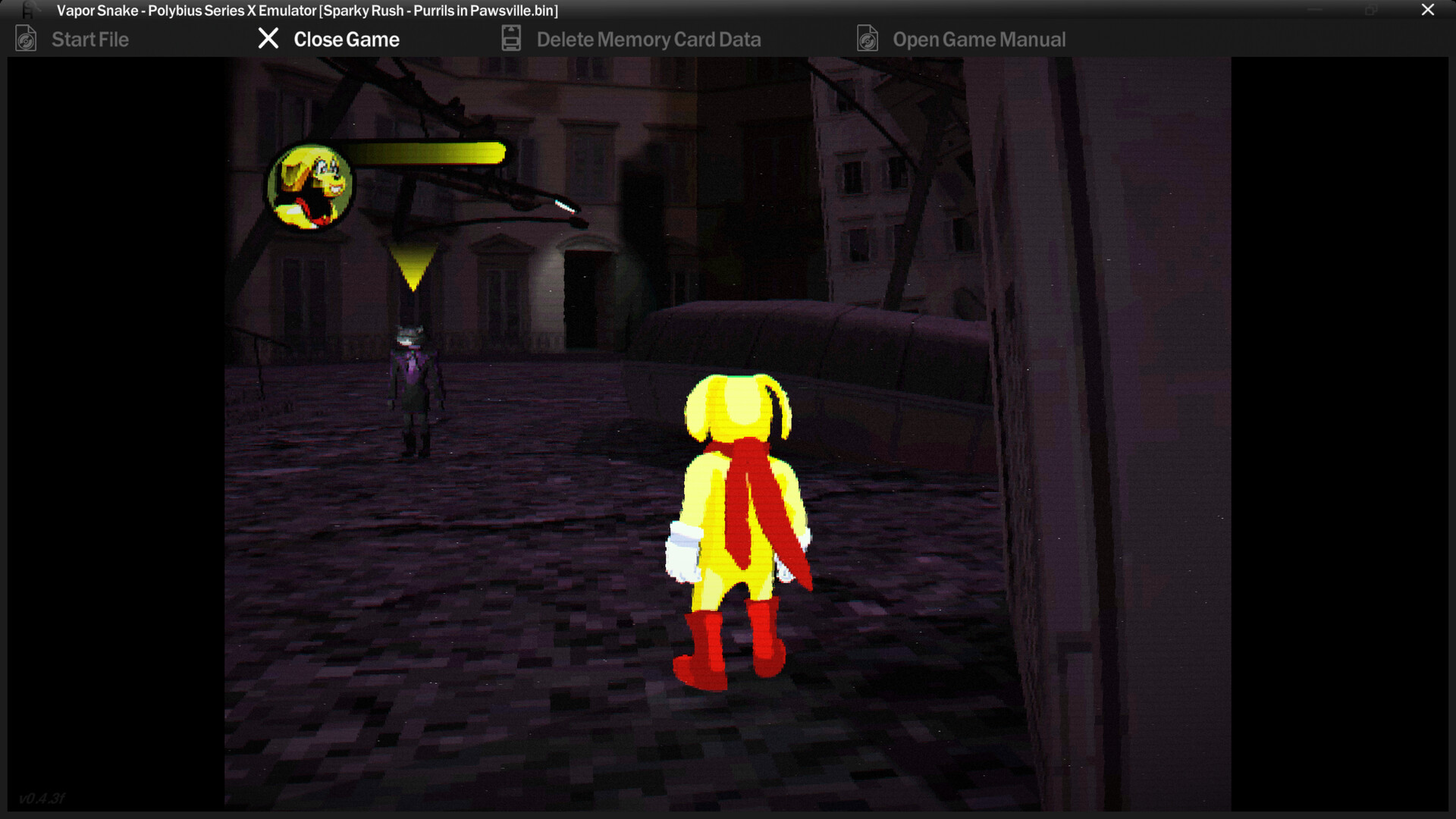
2. Multi-Resolution UI Hell: Ultra-Widescreen, Legacy Displays & Multi-Monitors
One of the most frustrating challenges in PC gaming is display diversity:
- The Issue: Different monitor resolutions were heavily bugging out the game's UI. Players on ultra-widescreen displays (21:9 / 32:9), older 4:3 / 5:4 legacy monitors, or multi-monitor setups were experiencing stretched HUDs, off-screen dialogue boxes, misaligned anchors, and clipped buttons.
- The Solution: Conducted extensive multi-aspect ratio testing matrices, mapping canvas scaler anchors, aspect ratio constraints, and viewport boundaries to make sure the interface scales cleanly across any gaming display setup.
3. Eliminating 20+ Critical Softlocks & Logic Traps
Nothing ruins a platforming experience faster than getting permanently stuck in a room without being able to progress or reset:
- The Hunt: Mapped out and eliminated over 20+ critical softlock scenarios across puzzles, moving platforms, timed gates, and boss trigger encounters.
- Edge Cases: Uncovered tricky logic bugs where dying at specific frame windows or backtracking through doors caused state machines to fail to re-arm, trapping the player in locked areas. Every single one was cataloged with step-by-step reproduction steps for the devs to squash.
4. Low-Spec Hardware Testing (GT 710) & The High-FPS Physics Breakdown
Performance and frame pacing were top priorities:
- Solid 60 FPS on Potato Hardware: We performed extensive performance profiling and locked the game at a rock-solid 60 FPS even on entry-level hardware like an old Nvidia GeForce GT 710.
- The High-FPS Physics Discovery (Cheat Engine Testing): Being a reverse engineer and modder at heart, I hooked into the game via Cheat Engine to unlock and manipulate the framerate (already scouting ahead for a future unlimited FPS mod, haha!). That test proved crucial: running at uncapped / high framerates broke the engine's physics tick synchronization! This allowed the team to properly configure fixed timestep updates and maintain rock-solid stability across refresh rates.
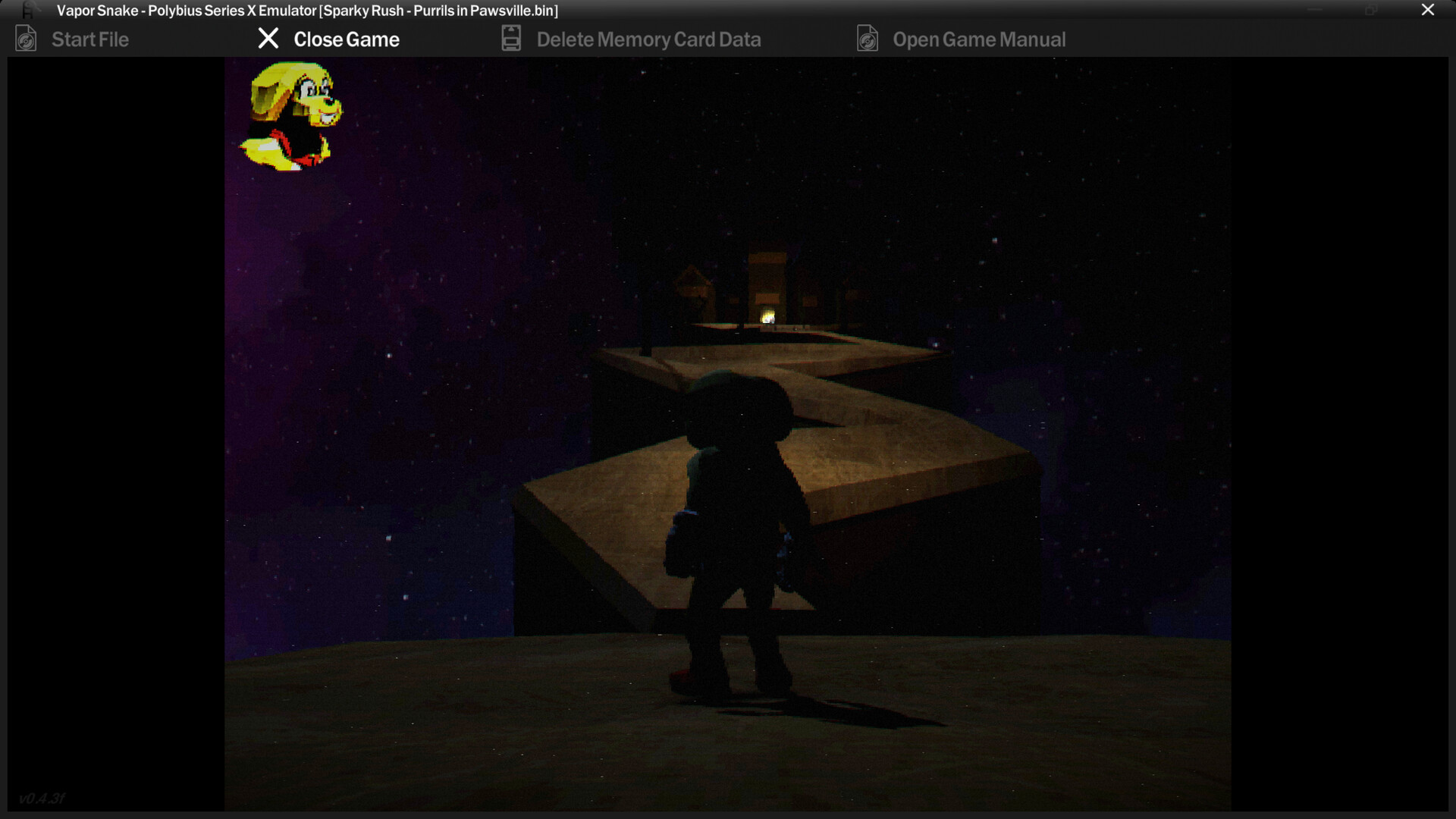
Support Converting Minds!
Releasing a commercial game on Steam is an extraordinary milestone for any independent studio and development team. Converting Minds poured an incredible amount of heart, late nights, and craft into creating Pawsville.
To everyone reading this journal:
- Head over to the Steam Store page
- Pick up a copy of Sparky Rush: Purrils in Pawsville
- Leave your review and share your feedback with the team!
Every wishlist, purchase, and honest review makes a tremendous difference for indie creators. Thank you for following my journey, and see you inside Pawsville!